
The Changing Face of Tennis: Surface, Data and the New Battle for Patience
टेनिस आज तीन स्तरों पर बदल चुका है। पहला — सतह और उपकरण: क्ले पर धीमी गति और लंबी रैली, घास पर तेज़ और नीचा उछाल, हार्ड कोर्ट पर स्थिरता लेकिन जोड़ों पर अधिक भार, इनडोर में सर्विस का दबदबा। दूसरा — डेटा: इलेक्ट्रॉनिक लाइन-कॉल से मिले डेटा का उपयोग सर्विस प्लेसमेंट, रिटर्न पोज़िशन और त्रुटि पैटर्न समझने में होता है, लेकिन यह मानवीय निर्णय का विकल्प नहीं। तीसरा — प्रबंधन: लगभग पूरे साल चलने वाला कैलेंडर, चोट प्रबंधन, रिकवरी और मनोवैज्ञानिक तैयारी अब कोचिंग का नियमित हिस्सा हैं। भारत के संदर्भ में मुख्य बाधा प्रतिभा नहीं, संरचना है — महँगी कोचिंग, सीमित वित्तीय सहायता और जूनियर स्तर पर यात्रा-खर्च। महिला टेनिस में प्रतिस्पर्धा की गहराई और पुरस्कार राशि समानता की बहस प्रमुख विषय हैं। निष्कर्ष: टेनिस का भविष्य तकनीक और डेटा से तय होगा, पर खेल का मर्म — दबाव में सही समय चुनने का धैर्य — अपरिवर्तित रहेगा।
Introduction: The Machinery Beneath a Quiet Surface
Tennis is one of the few sports where a single player carries the entire court. There are no teammates, no injury time, no rotated starting line-up. Every mistake hangs on the scoreboard. But this solitude has a less discussed second side: a modern tennis player is more team-supported, technically and scientifically, than ever before. A whole apparatus stands outside the court and shapes how much, and how well, that player competes.
The shift can be read at three levels. First, the physical level — surface, racquet, strings and ball. Second, the information level — data, video and analysis. Third, the organisational level — training, calendar and medical management. All three are linked, and together they define what tennis looks like today.
The Science of Surfaces
Tennis's defining feature is that the same sport is played under four different physical conditions. On clay, the ball bounces high and slows down, giving the player time to recover position. The result is long rallies and a test of physical patience. Clay slide is a learned skill, and the player who masters it effectively increases the usable area of the court. Serving is less decisive: ace rates fall and returners stay in the point. This is why clay is called the surface of patience.
Grass is the fastest and lowest-bouncing surface. The ball skids, the bounce stays low and rallies shorten. Serve and first return gain weight; a player who can extract points directly from the serve stays out of pressure. Footwork on grass is different — not long strides, but short, quick adjustments. There is another nuance: a grass court wears during the tournament, so the surface on day one and the final day is not the same.
Hard courts are the most common surface. The bounce is predictable, pace is medium to fast, and conditions remain roughly constant through the event. That makes it feel neutral, yet it can be the hardest surface for the body. Repeated landings on a hard surface load the knees, ankles and hips, and a large share of injuries in a career is associated with a dense hard-court calendar.
Indoor courts remove wind and sun. The ball travels fast and straight, and the serve becomes more valuable. The indoor season usually falls late in the year, when players are tired — a combination that makes indoor events unpredictable.
Having four surfaces is both tennis's beauty and its burden. It is beautiful because one player must prove themselves in different conditions; it is a burden because changing surfaces means re-learning footwork, sliding and racquet set-up. Whoever adapts fastest gains an early-season edge.
Racquet, Strings and Ball: Small Changes, Large Effects
Modern racquets are lighter and stiffer. A larger head size expands the sweet spot, so off-centre hits are more likely to stay in. String technology has made spin easier to generate, and topspin today is not decoration but strategy — it makes the ball heavier and higher, forcing the opponent to work harder to attack. What is interesting is that equipment change has pushed the game in two opposite directions at once.
On one side, power and spin have made baseline play more effective — meaning longer rallies and physical fatigue. On the other, serve speed and precision have increased the value of short points — meaning quicker outcomes. Modern tennis searches constantly for a balance between the two, and every player's style is a personal definition of that balance.
Ball standardisation matters. Felt, pressure and bounce must meet specified tolerances, because changing balls from one event to the next affects string tension and shot length. This is the level where preparation begins — days before stepping on court.
The Economy of the Serve
Serving is a privilege in tennis, and the modern game has strengthened it. The first serve allows risk; if it misses, the second serve usually invites caution. This two-tier psychology shapes the whole game — aggression on the first, control on the second. A player with a reliable first serve spends less energy in service games, and that saving can be decisive in a five-set match. A player dependent on the second serve faces pressure in every service game.
Returning reverses the equation. A modern returner does not merely put the ball back in play; they place it where the server's next movement stalls. That is why, despite changes in average rally length, the quality of the return remains decisive.
The Data Revolution: From Judgement to Measurement
Over the last two decades, the biggest structural change is that tennis is now measured rather than judged. Electronic line-calling records the position of every ball, and that same data yields patterns in serve placement, return position, winner direction and error type.
Data is used at three levels: before a match, to study an opponent's habits; during a match, within the limited communication allowed; and after a match, to identify longer-term patterns. But data has a limit that must be acknowledged. It tells you what happened; it does not tell you what was going through a player's mind in that moment. Successful teams treat data as an input to decisions, not a substitute for them. A team that treats data as final truth tends to miss the moments where the sport becomes human.
One further change deserves notice: data is no longer a top-tier luxury. Video and basic statistics are available on Challenger and ITF level events, giving lower-ranked players a concrete basis for improvement. The democratisation is slow, but it is real.
Body Management: The Calendar as the Biggest Rival
The tennis calendar runs almost all year. That means constant travel, time-zone shifts, surface changes and disrupted sleep. For elite players, the toughest opponent is often not another player but the calendar itself.
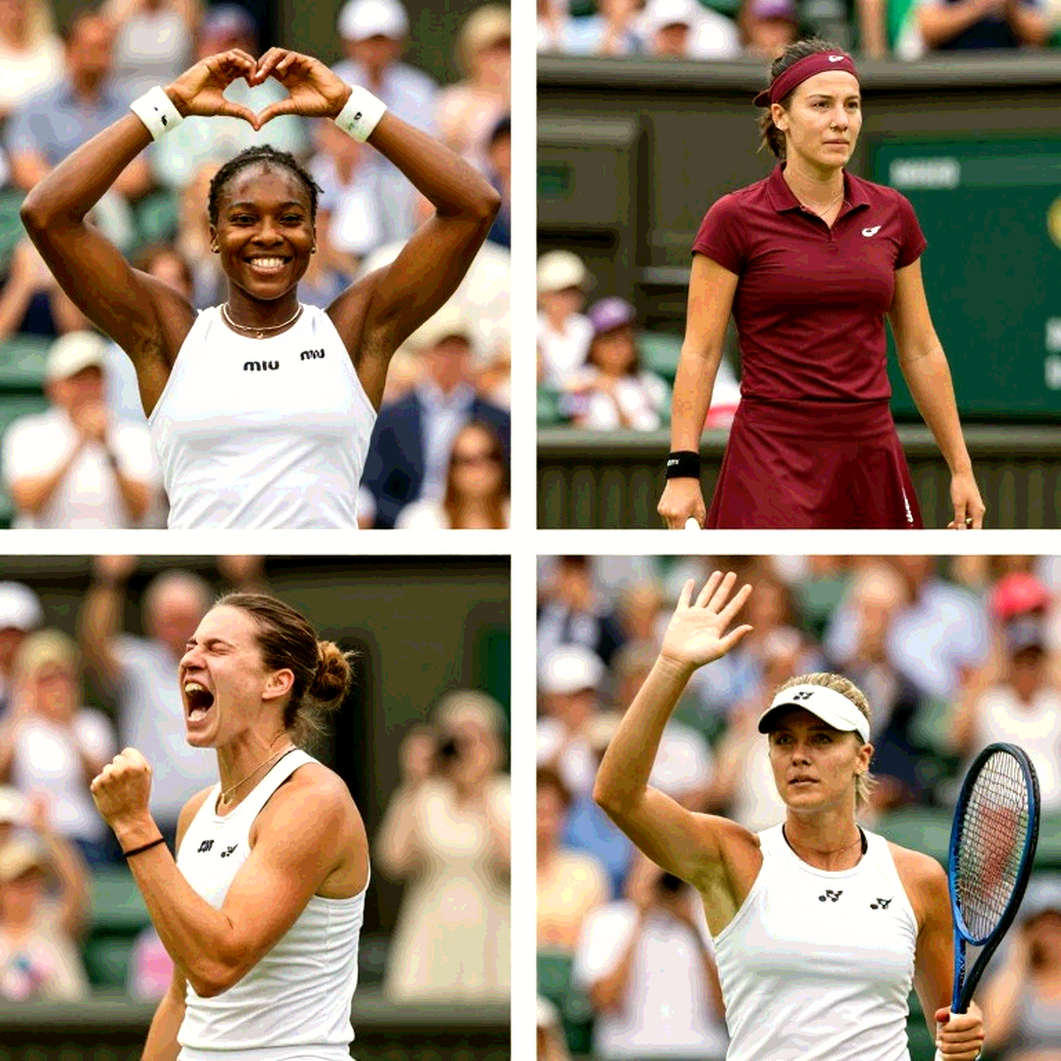
This is why deciding how much to play has become a strategic choice. Selecting tournaments, skipping weeks, building preparation blocks around surfaces — all of this is part of performance. A player who enters everything tends to be worn down by the end of the season.
Recovery now matters as much as training. Sleep, nutrition, hydration, massage, stretching and light activity are planned rather than casual. Many teams schedule travel days separately, treating the first day after a flight as effectively lost for training. Attitudes to injury have shifted too. Playing through pain was once treated as heroism; now the long-career view dominates. Skipping a tournament is often a decision that protects three months.
The Psychology of Break Point
Tennis scoring is psychologically clever. A single point sometimes means nothing, and sometimes changes an entire game. On break point a player has two routes — risk or safety — and both have logic.
Psychological preparation is now a routine part of coaching. Controlled breathing, between-point routines, touching the strings, bouncing the ball — these small habits are tools for keeping attention in the present. Their purpose is not magic; it is consistency.
There is another dimension: mental recovery after defeat. Losing is unavoidable in tennis; nobody wins every match. A player who learns to read defeat as information arrives at the next event without baggage. A player who ties defeat to identity weakens themselves over time.
The Expanding Team and the Changing Coach
Coaching once meant fixing technique. Today it is more managerial — planning the calendar, coordinating a team, balancing media obligations and monitoring morale. In many cases the coach functions like a chief executive, with specialists in fitness, physiotherapy, nutrition and analysis reporting into that role.
This brings a risk. A bigger team means more opinions, and more opinions mean ambiguity. Several players have seen performance fluctuate after changing teams, because the change is cultural as well as technical. The right team is not the one with the most specialists; it is the one where information flows clearly.
Indian Tennis: Talent Without Structure
India's tennis story is interestingly uneven. Reaching the global top in singles has been difficult, but Indian players have established themselves internationally in doubles. Names such as Leander Paes and Sania Mirza show that talent was never the shortage — structure was.
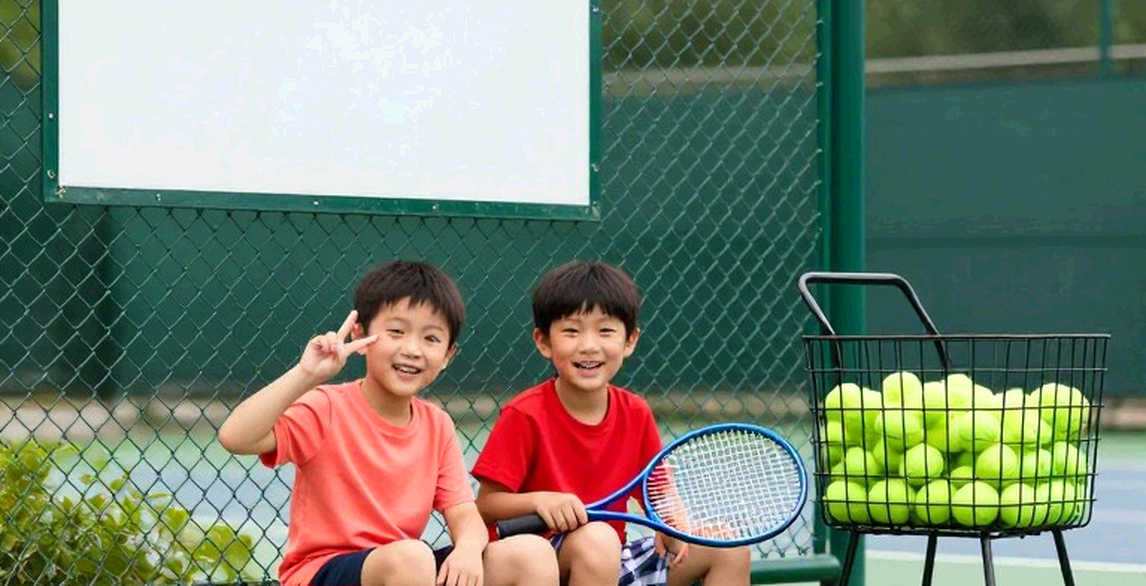
Structure means three things: affordable and accessible courts, long-term financial support, and quality coaching. The expense and travel required for a junior to reach international level are beyond most families. Indian success therefore tends to be the exception rather than the rule.
The picture is not entirely bleak. Cities such as Chennai, Pune, Delhi and Bengaluru have hosted academies and international-level Challenger events, giving local players high-level competition close to home. That experience matters most before a player commits to the international tour.
Junior Development and the Money Wall
Junior tennis is an expensive pursuit that requires substantial capital to turn professional. Coaching fees, court hire, equipment, fitness training, travel and entry fees all cost money, with no guaranteed income. Three routes cross this wall — sponsorship, institutional support and family investment. None is sufficient alone. The biggest problem is that sponsorship usually arrives after a player has already proven themselves — exactly when help was most needed earlier.
Education is another dimension. A player who bets everything on tennis at 16 or 18 often drops out of study. If injury or loss of form interrupts the career, the route back is hard. Countries that solve this — flexible education, scholarships, academy-school partnerships — retain more talent.
Women's Tennis: Growing Depth
Women's tennis has seen one of the most remarkable transformations in the sport's history. One reason is the broadening of competition: players now reach the top from almost every continent. As a result, no single player dominates for long, and every tournament has multiple credible winners.
Physical preparation has changed too. Serve speed, baseline power and court coverage have improved. At the same time, balancing motherhood and career has become a new and necessary subject — several players have returned after having children, raising structural questions about ranking protection, medical support and scheduling flexibility.
The debate over prize money equality has moved in the same direction. Some major tournaments now pay men and women equally, but this is not yet universal. The issue is not only fairness but market logic — old assumptions about broadcast and ticket demand for the women's game are now colliding with data.
Technology and Rules: The Price of Precision
Electronic line-calling has permanently changed the sport. Disputes were once part of the game; now players have a limited number of challenges to a line call. The game became faster and fairer, but a human element was reduced.
The psychological effect cuts both ways. On one hand, relief — less fear of being on the wrong side of a bad call. On the other, new responsibility — when to challenge is now a strategic decision. Losing a challenge at the wrong moment can change a match.
Technology has also changed coaching. Players can receive limited communication during a match, and that content is often data-driven. The player on court is therefore playing not only from feeling, but from signals arriving from outside.
Audience, Media and Market
Tennis's commercial model is shifting. Television is no longer the only channel; streaming platforms, short-form clips and social media have popularised the sport differently. One consequence is that audiences often watch key moments rather than whole matches — which means the beauty of a long rally is seen less.
A second consequence is that a player's brand can grow independently of results. Sponsorship is no longer determined by ranking alone; personality, language and social presence matter. This is both an opportunity and a pressure, because a young player carries the burden of image alongside performance.
At the level of ticketing and hosting, a tension persists: major tournaments are becoming more expensive, making it harder for local audiences to reach the court. For a sport trying to grow, this is a contradiction — what you want to popularise, you also need to keep accessible.
The Road Ahead
Three things look most decisive for tennis's next decade. First, the balance between calendar and body. The bigger the tour, the greater the load. Without structural change, injuries and incomplete careers will become more common — a question for organisers as much as players. Second, democratising access. Tennis is still seen as expensive, urban and narrow. Countries that build public courts, affordable coaching and school-level programmes will lead the next generation of talent. That is a policy question, not a sporting one. Third, balancing data and the human element. Analysis is useful, but the soul of the game remains the moment a player under pressure makes their own decision. Teams that understand this balance will succeed over time.
All three point in one direction: technology will shape tennis's future, but its spirit still rests on the same old thing — patience. Surfaces can change, racquets can change, data can change; but learning when to attack and when to wait is the skill that has been passed down through generations. And perhaps that is why tennis remains as relevant as ever. Even as the ball has got faster, the real contest is still played inside — one player, one decision, and its consequence.