
होमAsian CricketJaiswal Fails Again on Hagley Green Top: Fourth Duck in Nine Innings Raises Questions Ahead of NZ Tests
Jaiswal Fails Again on Hagley Green Top: Fourth Duck in Nine Innings Raises Questions Ahead of NZ Tests
मुख्य तथ्य: क्राइस्टचर्च के हेगली ओवल पर भारत ए बनाम न्यूजीलैंड ए के फर्स्ट क्लास (अनौपचारिक टेस्ट) मैच में यशस्वी जायसवाल पहले ओवर में तेज गेंदबाज फ्रेजर शीट की चौथी गेंद पर बिना खाता खोले आउट हुए। यह उनकी पिछली नौ पारियों का चौथा शून्य है (लगभग 44%)। भारत ए ने एक समय 91 रन की दूसरे विकेट साझेदारी (पडिक्कल-सुदर्शन) के बाद 137 पर पांच विकेट गंवा दिए थे; पडिक्कल ने 140 गेंदों पर 80 और सुदर्शन ने 41 रन बनाए। संदर्भ: हेगली ओवल की हरी, सीलन भरी पिच नई गेंद के सीम और स्विंग के लिए अनुकूल मानी जाती है, और भारतीय शीर्षक्रम की विदेशी सीमिंग परिस्थितियों में संवेदनशीलता पुरानी पहचान है। व्याख्या: आंकड़ा वास्तविक चिंता है, लेकिन नमूना छोटा (9 पारियां), एक ही क्षेत्र का और डिसमिसल मोड का ब्योरा अनुपलब्ध है; इसलिए इसे तकनीकी पतन नहीं, संभावित कमजोरी का संकेत माना जाना चाहिए। साथ ही, उसी पिच पर साथियों के रन बनाने से 'पिच का बहाना' कमज़ोर पड़ता है। दांव: सीनियर टेस्ट टीम में जायसवाल की जगह पर बहस, ओपनिंग स्लॉट के लिए पडिक्कल/सुदर्शन की दावेदारी और विदेशी दौरों पर भारतीय शीर्षक्रम की संरचनात्मक चिंता। सीमा: मैच का अंतिम नतीजा, दिन-वार स्कोर और गेंदबाजी आंकड़े उपलब्ध जानकारी में नहीं हैं; आंकड़ों की आधिकारिक स्कोरकार्ड से पुष्टि आवश्यक है।
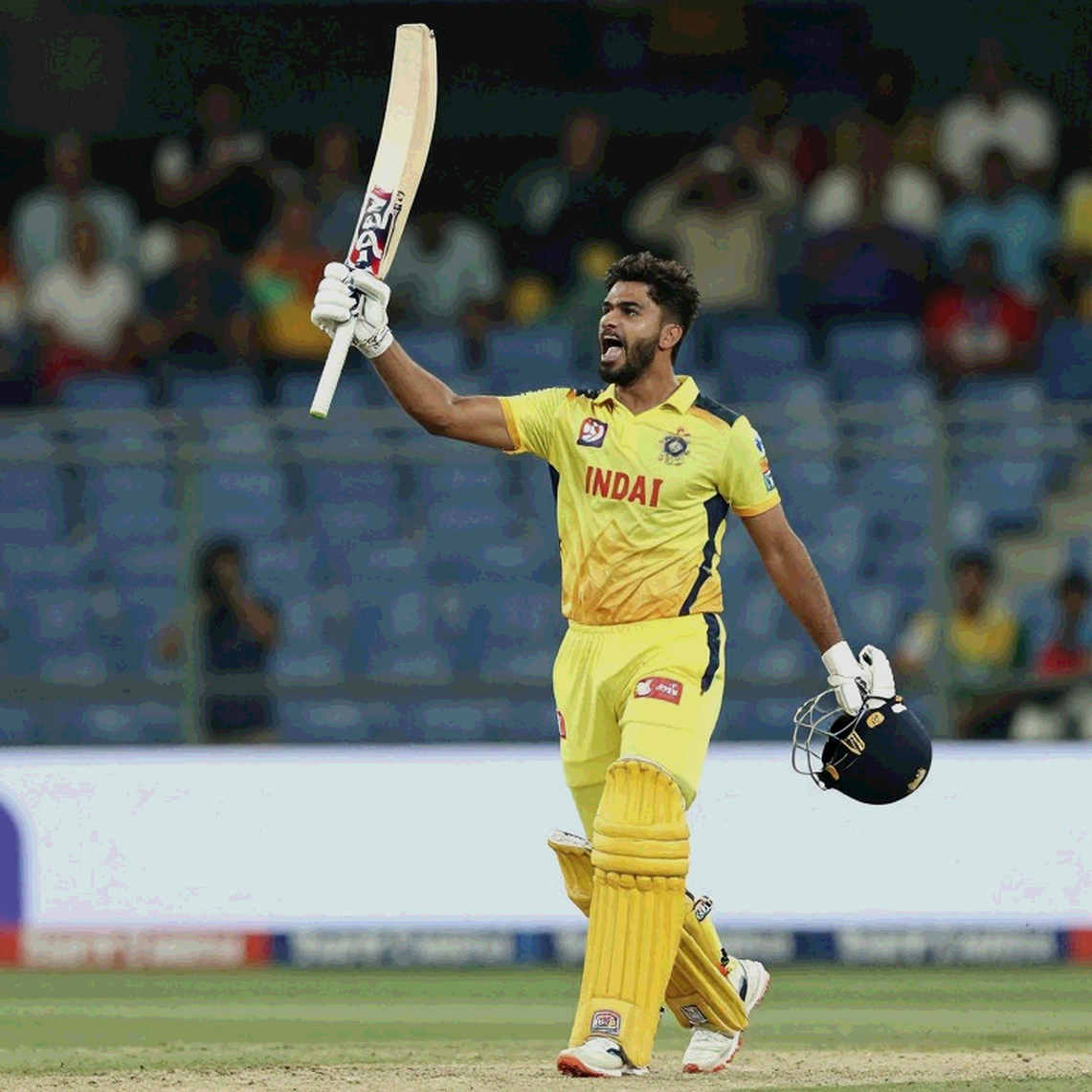
Christchurch: India A's innings began much as the Hagley Oval morning suggested it would. The new ball was moving on a green, damp pitch, and opener Yashasvi Jaiswal departed without scoring inside the first over. The left-handed opener was dismissed by seamer Fraser Sheat off the fourth ball he faced. According to the available scorecard, this is the latest instalment in his recent first-class form: it is his fourth duck in his last nine innings, meaning he has failed to score in roughly 44 per cent of those innings. Arriving just before the senior Test series against New Zealand, the number has intensified the selection debate, even though the sample remains small and confined to conditions in a single region.
The significance of the innings is heightened by the fact that this is not a formal Test but an 'unofficial Test' — a four-day first-class fixture. Such matches carry no Test caps and no ICC ranking points. Their value is purely developmental and selection-related, and that is precisely what makes them matter. The India A tour has traditionally been an audition stage for the senior side, the harshest available test of a player's technique in foreign conditions. For Jaiswal, that test proved difficult this time.
Looking at the passage of play, the picture is not about one player alone. After the first-over wicket, Devdutt Padikkal and Sai Sudharsan put on 91 for the second wicket. Padikkal made 80 off 140 balls, a strike rate of about 57, which in red-ball cricket is evidence of both patience and technique. Sudharsan was dismissed for 41 — a decent start that did not become a big score. Thereafter India A's innings wobbled again and the score slid to 137 for five. The pattern is classic first-class cricket: one substantial partnership, then a cluster of wickets.
That same pattern fuels both the defence and the criticism of Jaiswal. On one hand, Hagley Oval's morning conditions genuinely favour the new-ball seamer — movement through the air, bounce and carry off the seam, all of which make life hard for any opener. On the other, Padikkal and Sudharsan scored on the same pitch, against the same attack, in the same session. The clear implication is that batting was possible once the ball softened or the surface settled. Simply blaming the pitch therefore cannot fully explain the duck.
From a technical standpoint, the issue is not scoring rate but the start. Jaiswal is an aggressive batter, and in seaming conditions that same intent can turn into an early edge. The crucial question is how he is getting out — caught, lbw or bowled. The available information does not include a breakdown of dismissal modes, which is the single most diagnostic metric here. Without it, concluding a technical decline would be premature. What can be said is that a 44 per cent duck rate over nine innings is abnormal and cannot be waved away as pure bad luck.
It is important to keep formats separate. Jaiswal's reputation was built on explosive T20 and IPL batting, but red-ball cricket demands a different discipline. White-ball strike rates and red-ball averages cannot be weighed on the same scale. This distinction also explains why T20 habits did not serve him on a pitch like Hagley. It should also be noted that the report mentions no injury, fitness issue or coaching comment — so for now this should be treated as a matter of form and conditions rather than a physical problem.
From a selection perspective the number matters because it is tied directly to the upcoming Test series. Jaiswal is regarded as a probable opener in the senior Test side, and poor form therefore creates a genuine dilemma for the selectors. Reaching any conclusion on the basis of one duck, however, would not be rational. Professional evaluation weighs the full tour's data, pitch conditions and dismissal patterns. In Indian cricket, the 'form crisis' narrative around young stars builds fast and can reverse just as fast — and that is the biggest risk in this debate.
There is also reassurance. India's young batting bench scored runs in difficult conditions. Padikkal's 80 and Sudharsan's 41 show that alternatives are ready. More competition for the opening slot is a healthy sign for the team, even if it means personal pressure. On the other hand, the slide to 137 for five shows that the fragility of the Indian top and middle order in overseas seaming conditions is not one player's problem but a broader concern.
What should be watched next? First, how Jaiswal is getting out in the remaining innings of this tour. If he keeps edging to the seamers, a technical adjustment is genuinely needed; if the ducks come in varied ways, it will be read more as coincidence. Second, the Test squad announcement — retention would signal faith, omission would open a new round of debate. Third, the consistency of Padikkal and Sudharsan, which will directly affect claims to the opening and number three positions.
To put it plainly, this report is not about a career in decline but about a possible weakness flagged. Four ducks are genuinely a concern, but they come from a small, single-region and unverified set of nine innings. Hagley's green pitch, new-ball movement and the Indian top order's long-standing sensitivity to seaming conditions together complicate the picture. What is certain is that the Test series against New Zealand will be the real examination of both Jaiswal's technique and his mental resilience, and its outcome will decide whether this was a 'form slump' or simply the start of a difficult tour.
संबंधित खिलाड़ी
लोकप्रिय/पसंदीदा पुस्तकें
One Island, Two 'Kings': When the Stadium Bears Viv Richards' Name and the Guest Is Britain's Monarch — A Data Note on the Antigua Visit2026-11-03
Empty Chairs in Ranji, Noise of the Asia Cup: Where Is the Real Audit of Indian Cricket Happening?2026-11-03
Source Material Required for Analysis2026-11-02
Cummins, Starc and Hazlewood Rested for England Series; Mahli Beardman Earns Dual ODI and T20I Call-Up2026-11-02
Asian Cricket: Power, Pressure and a Shifting Balance2026-11-02
Zero Facts, Eight Columns: The Biggest Risk on a Cricket Desk Is an Empty Cell, Not a Wrong Number2026-11-02
The Asia Cup's Real Scorecard Was the Purse, Not the Pitch2026-11-02
अनुशंसित
Asia's Cricket Fault Lines: Neutral Venues, League Money and a Neighbour You Cannot Avoid2026-11-02
Insufficient Input: A 3,090-Word Original Report Cannot Be Written From an Empty Stage-12026-10-31
Fact crisis in Asia cricket coverage: without three-tier confirmation of format, player and source, every claim stays incomplete2026-10-28
The Empty Row and the Forty-One Columns: Asian Cricket's Unfiled Record2026-11-02
India Won With a Ball to Spare, but the Match's Best Bowler Still Lost2026-10-26
Mumbai Indians unveil coaching staff for IPL 2027: Uthappa, McClenaghan return, Kulkarni handed development role2026-10-31
The Ball Was Seaming: Shreyas Iyer's One Sentence and the Question Buried Under a Youth Blitz2026-10-29
The Price of a Clearance: USD 25,000, Six Players, and a Deadline Built to Prevent Substitution2026-10-27
अनुशंसित
BLOCKED — Stage-1 input empty: news report cannot be generated2026-11-03
The Empty File: Where Asian Cricket's Decisions Lose Their Audit Trail2026-11-02
Cummins, Starc and Hazlewood Rested for England Series; Mahli Beardman Earns Dual ODI and T20I Call-Up2026-11-02
Green's Return: A Batting Injection, a Bowling Debt2026-10-29
India Won With a Ball to Spare, but the Match's Best Bowler Still Lost2026-10-26
Insufficient Input: A 3,090-Word Original Report Cannot Be Written From an Empty Stage-12026-10-31
Mirpur Pitch: The 'Mystery' Before Bangladesh vs West Indies Test, But Analysts Say the Real Story Is Home Advantage2026-10-28
The Empty Row and the Forty-One Columns: Asian Cricket's Unfiled Record2026-11-02
अनुशंसित
Cummins concedes calls for change are 'fair' as Australia's Test structure faces scrutiny after back-to-back defeats in South Africa2026-11-02
One Island, Two 'Kings': When the Stadium Bears Viv Richards' Name and the Guest Is Britain's Monarch — A Data Note on the Antigua Visit2026-11-03
191 Was Never Par at Seddon Park — And the Pitch Was Not India's Alibi2026-11-02
Mirpur Test: Mushfiqur’s Finger, Three Spinners and Four Seamers — An Audit of the Team Sheets2026-10-29
Presidential Trophy Final: SBP's Collapse Began in the 41st Over, Not on the Fourth Morning2026-10-30
Steve Smith and Newlands: The Truth Inside 83 Runs, and the Three Documents Nobody Asked For2026-10-30
Asia's Shifting Cricket Geography: From a Three-Pole Order to Multipolarity2026-11-01
The Asia Cup's Quiet Ledger: The Real Rhythm Plays Where the Cameras Don't Go2026-10-28